
On 27 October I spent the afternoon at the AI Creator Day at the Kongresshaus in Zurich, organised by SAE Institute, Swiss AI and the AI Media Agency. The format was hands-on: no grand visions, but practitioners showing how they actually work with generative tools in film, photography, advertising and music. Here are my notes from the sessions.
Next-Generation AI Content Creation – BytePlus / ByteDance
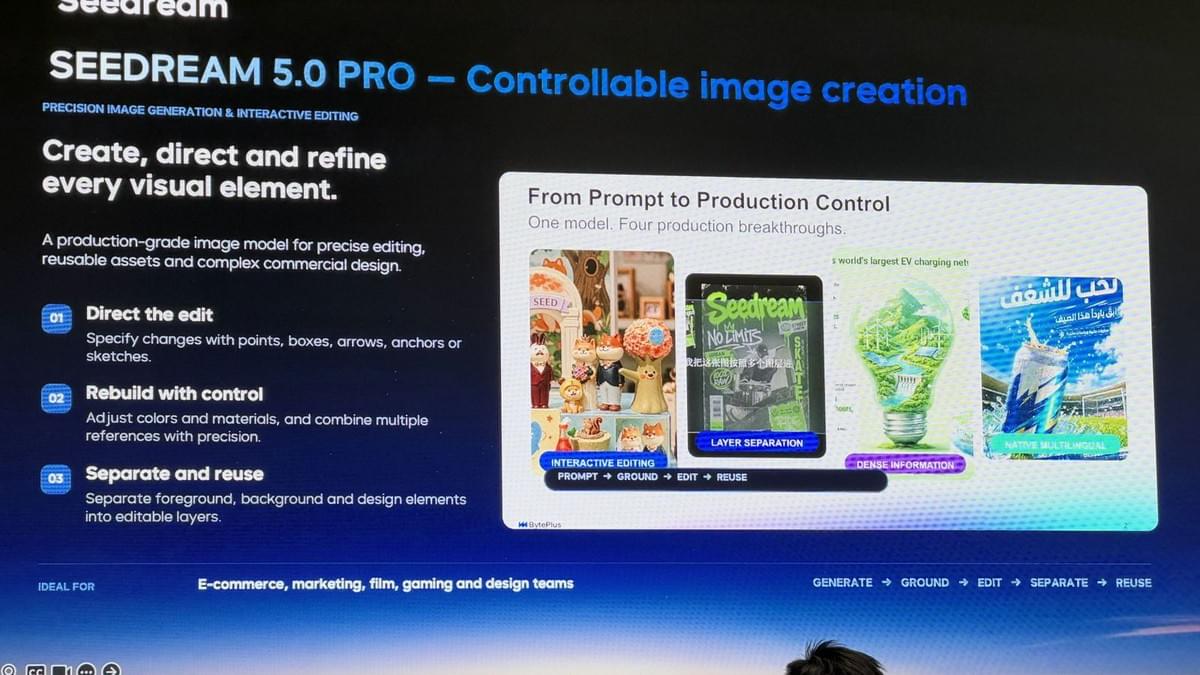
The opening breakout session came from BytePlus, ByteDance's enterprise arm, with Nathan Ji and Zoe Zhou. The focus was on ByteDance's own model family: Seedream for images and Seedance for video, both available via API. The core message was connecting models into workflows: from a first visual idea to consistent assets to the finished moving image, using images, video and multimodal references as inputs.
Two products stood out: Lumina, BytePlus's creative platform, and Dramagic, a tool aimed at producing short-form drama content. One demo converted an old film into a modern vertical format. A small example, but it shows where this is heading: existing content becomes raw material that can be reformatted for new channels.
Creating Visual Worlds – Cláudio Sá
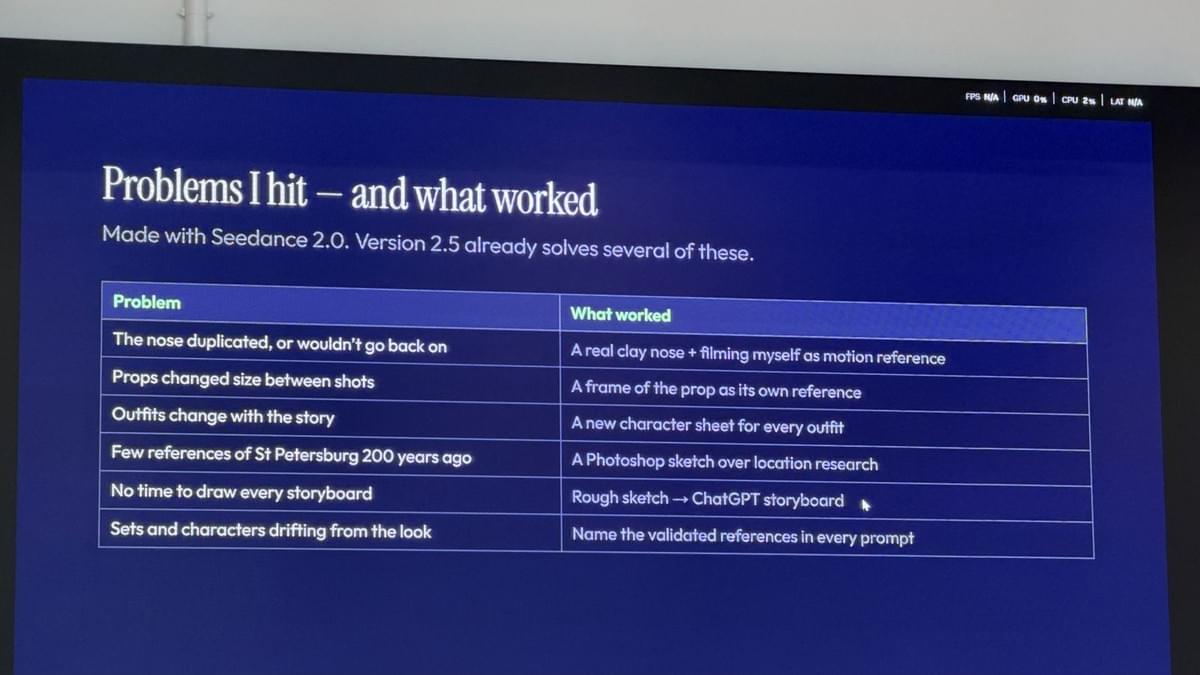
Cláudio Sá walked through how his team created the animated film "Nose": character design, style definition, scene composition and how to keep a consistent look across an AI-generated film. The point that stayed with me most was not technical but legal. AI-generated output generally cannot be copyrighted. What can be protected and licensed are the characters used in the film. For anyone building a business on AI content, that shifts where the value sits: less in the individual output, more in the intellectual property around it. He also shared a take-home kit with his workflow.
Beyond AI Photo Editing – Fabio Antenore
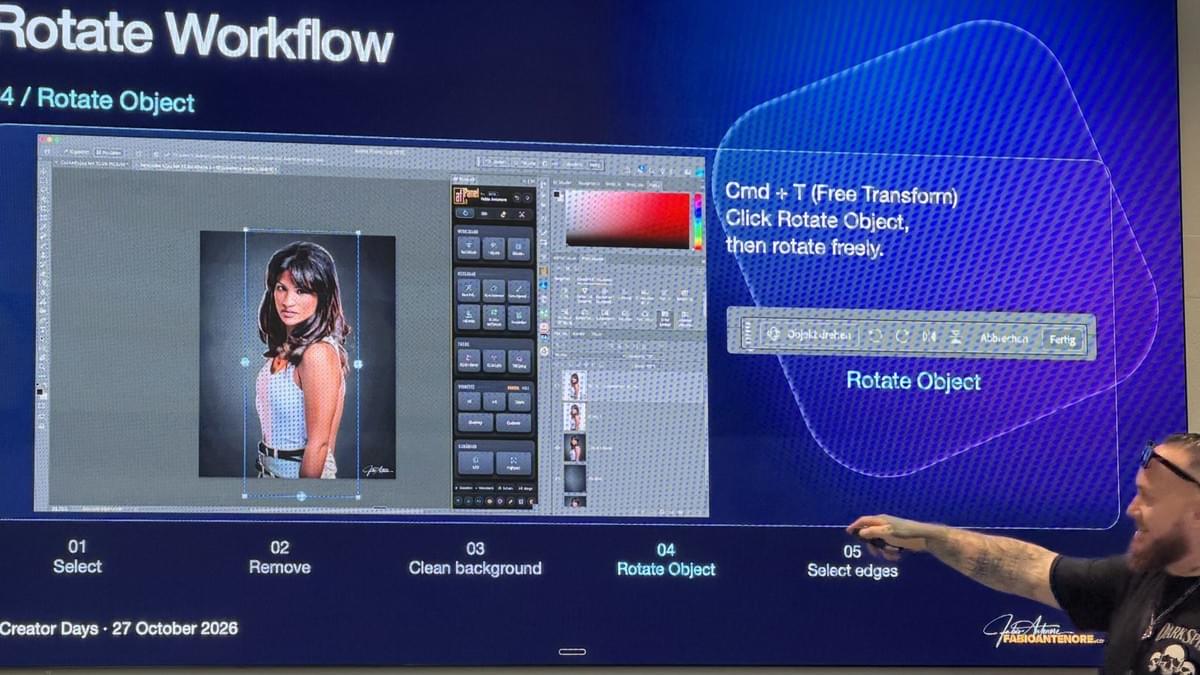
Fabio Antenore comes from hyperreal post-processing and showed how generative tools extend retouching, compositing and colour grading. His argument: the tools speed things up considerably, but the trained eye of the photographer still decides what a good image is. His tool recommendations were Reblum for beauty retouching and Luminar for general photo editing.
Advertising in the Age of AI – MetaPuppet
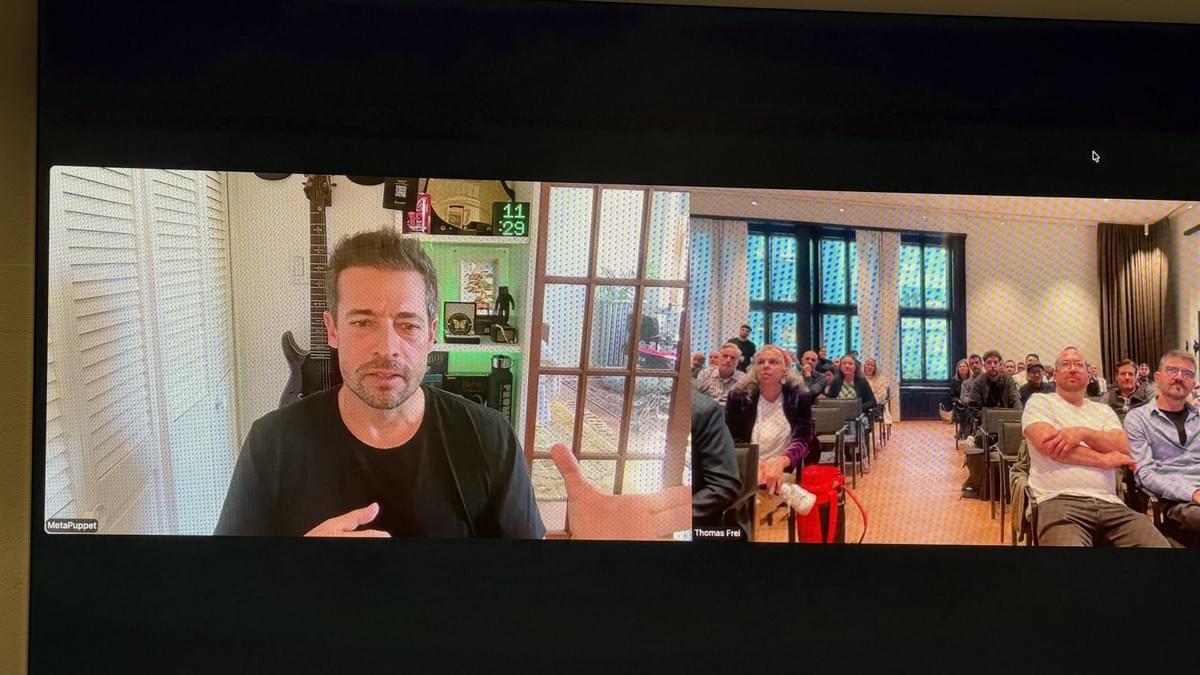
MetaPuppet looked at how commercials are conceived and produced with generative tools, using case studies from the international market: campaign ideas, moodboards, visual assets and post-production, including the question of brand safety. For agencies and brands, this is probably the area where AI changes the economics of production most directly.
No Content Without Sound – Thomas Foster
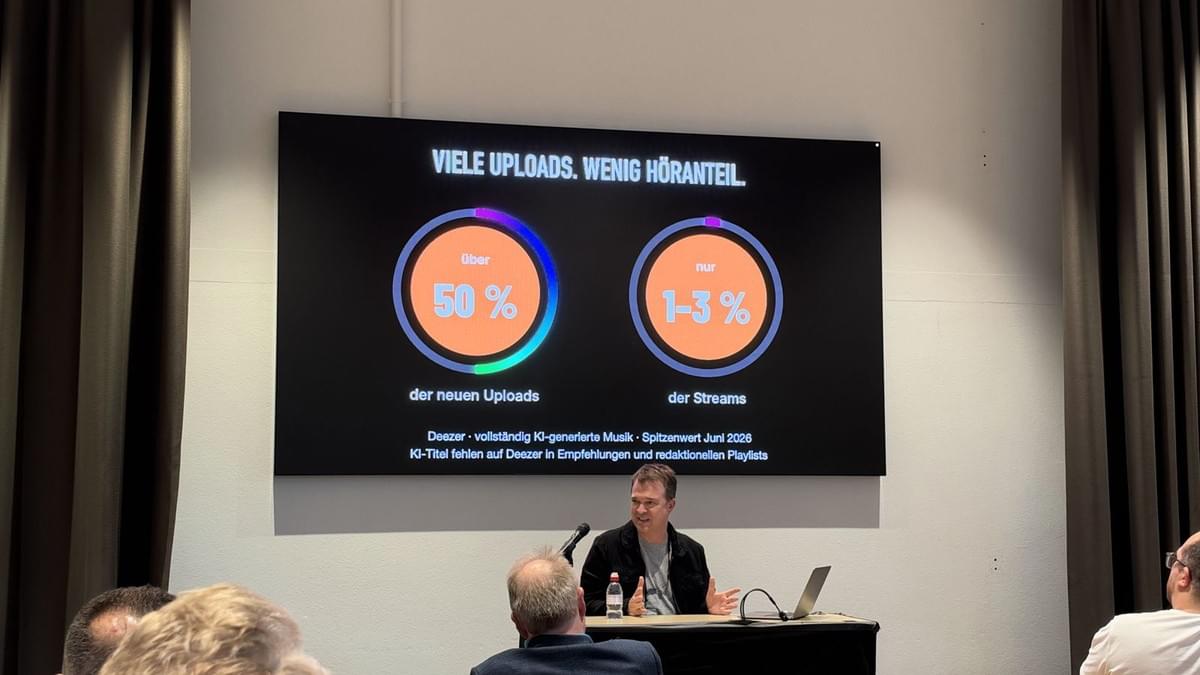
The last workshop made a simple point that is easy to forget: visual quality alone is not enough. Thomas Foster showed how music, jingles and sound design can be produced with generative audio tools, from defining the mood to writing prompts to integrating the result into video. Besides Suno, he mentioned Mozart AI for music generation, ACE Studio and Studio Pilot Music.
AI Media Award
The day ended with the National & International AI Media Award, which recognises AI-based content creators and aims to connect them with the advertising and media industry. The results will be published by the end of October on https://www.ai-media-award.com.
My takeaway
What I found useful about the day was its practical focus. Across all sessions, the tools themselves were less interesting than the workflows built around them: how to keep characters and styles consistent, where human judgement still makes the difference, and how questions like copyright and brand safety shape what can actually be used commercially.